
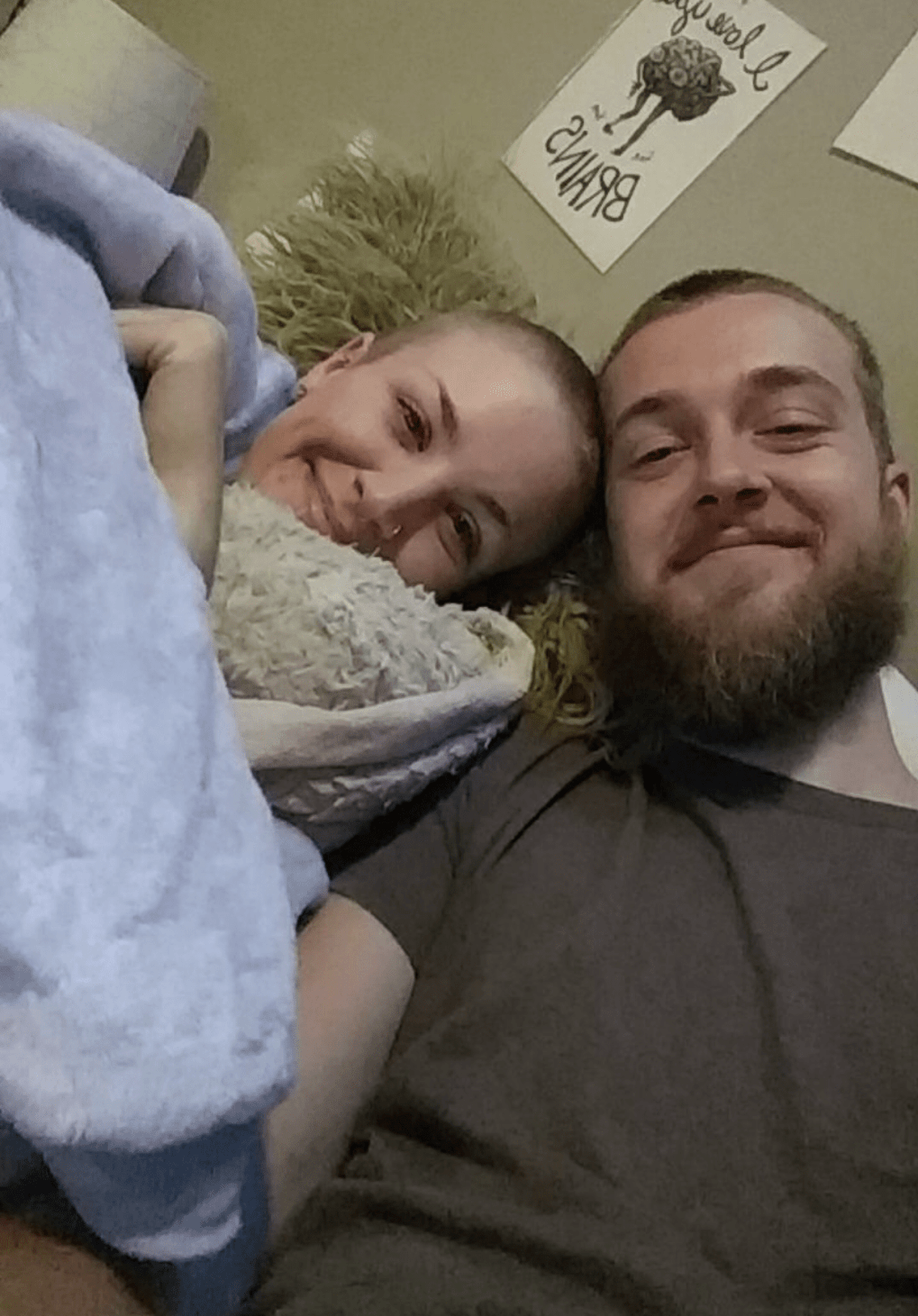
The first thing I remember about being diagnosed with Dysautonomia was feeling bad for everyone but myself.
Knowing that I’d be unable to do the things that I once enjoyed, or having to find adaptive ways of doing those things, just seemed like too much, and having to ask other people, specifically my husband, to make those adaptions with me felt like a nightmare.
Something as simple as going for a run in the park, taking a walk down to the lake, and going on a hike in Vermont’s famous Green Mountains were things that my husband and I used to take for granted. These were the things that drew us to each other, the things that we both enjoyed, and now, we’d be unable to do them together.
I found myself constantly apologizing for my inability to keep up. I’d find myself saying things like, “I’m sorry. I didn’t know I was going to get sick”, “I’m sorry that we have to sit home more than we’d like”, and worst of all, “I’m sorry I am not the same person you fell in love with.”
My husband, being the person that he is, adapted to our new lifestyle without a single complaint, and yet, I could not help but question his commitment and willingness to be flexible. It was quite hard to imagine that anyone could be truly happy with someone who no longer was capable of doing the things that had bonded them in the first place.
All of this questioning and apologizing put me into a tizzy and I eventually decided to bring these feelings up with my therapist.
Through therapy and self-evaluation, I learned that I was apologizing so much simply because I had not yet fully accepted my diagnosis. I was projecting my own fears and anxiety onto my husband, instead of coping with them in a healthy and effective way.
I was unable to accept that I’d have to find new ways of dealing with stress. I was unable to accept that sometimes I’d need a cane to prevent myself from falling. I was unable to accept the fact that my husband would sometimes have to sit outside of the shower in case I felt faint. I was unable to accept that I’d have to deal with heart palpitations, chest pain, fatigue, and headaches on a regular basis.
Accepting a chronic illness diagnosis is not easy, and it’s okay if coming to terms with things takes a long time. It’s okay to feel bad for yourself. It’s okay to grieve your health and wellness. It’s okay to miss all of the things you once enjoyed. However, it is important to work through these emotions in a healthy and positive way, whether that be through therapy, talking with your loved ones, or practicing self-care.
Though there is still a lot of work to be done and many feelings to work through, I no longer want to apologize for my illness. I want live my new life to the fullest, POTS and all. I know that accepting and living with a chronic illness is never easy, but we are warriors, even with endurance of a sloth.
 chronicallycarly.com